
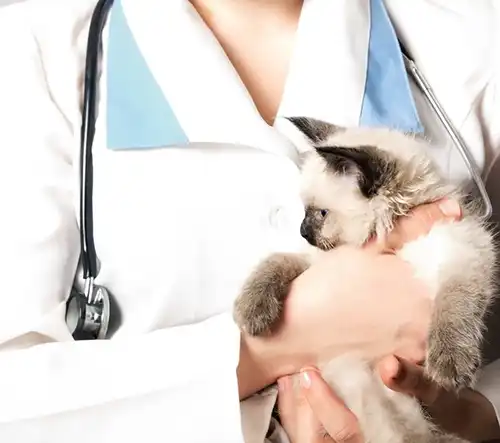


Getting a new cat is exciting, but it can also be a little too much for you and your cat. Our Orlando, FL, veterinarians at Luv-N-Care Animal Hospital help new cat owners adopt a cat and make the move as easy and stress-free as possible. Our Orlando pet clinic can help you make your new home safe, comfortable, and happy for your cat by giving you tips and advice.
Adopting a cat is more than just choosing a pet; it’s about creating a lifelong bond. Each cat has unique personality traits, energy levels, and environmental needs. Understanding how to prepare your home, introduce your cat to its new surroundings, and establish a routine will help your new feline friend adjust quickly and thrive.
Preparing Your Home for a New Cat
Before bringing your cat home, preparing a welcoming, safe space is essential:
- Designate a Quiet Area: Set up a cozy room or corner with food, water, bedding, and a litter box where your cat can feel secure during the first days.
- Gather Essentials: Make sure you have a litter box, scratching posts, toys, food, and a comfortable bed to meet your cat’s basic needs.
- Remove Hazards: Secure cords, toxic plants, and small items that could be swallowed. Ensure windows are closed or have secure screens.
- Plan Vertical Spaces: Cats feel more comfortable when they have high perches to observe their surroundings, so provide shelves or cat trees if possible.
- Establish a Routine: Feeding, playtime, and quiet periods at consistent times help your cat feel safe and reduce stress.
By preparing your home thoughtfully, you create an environment where your new feline pal can explore, relax, and build confidence.
Introducing Your Cat to the Household
Cats are naturally cautious and may need time to adjust to a new environment. Introducing them gradually helps reduce stress and promotes positive interactions:
- Slow Introduction: Keep your cat in one room initially and allow them to explore at their own pace.
- Introduce Family Members Gradually: Let your cat meet each family member individually in a calm manner.
- Supervised Pet Introductions: If you have other pets, introduce them slowly with controlled, positive interactions.
- Respect Personal Space: Provide hiding spots or quiet corners where your cat can retreat if they feel overwhelmed.
- Positive Reinforcement: Reward calm behavior with gentle praise or treats to encourage confidence.
Patience and consistency during the first days and weeks help your new cat feel secure and settle into their new home comfortably.
Supporting Your Cat’s Health and Wellbeing
Veterinary guidance is crucial for your new feline friend’s long-term health:
- Initial Veterinary Checkup: Schedule a visit to assess overall health, update vaccinations, and discuss preventive care.
- Nutrition and Hydration: Provide high-quality food appropriate for your cat’s age and monitor water intake.
- Parasite Prevention: Discuss flea, tick, and worm prevention strategies with your veterinarian.
- Spay or Neuter: If not already done, spaying or neutering helps prevent unwanted litters and reduces certain health risks.
- Behavioral Enrichment: Toys, scratching posts, and interactive play prevent boredom and encourage physical activity.
Regular veterinary care and attention to daily needs will keep your cat healthy, active, and happy.
Common Challenges During Cat Adoption
While most cats adjust well with time, some may face challenges:
- Hiding or Shyness: Many cats hide for the first few days; allow them space and avoid forcing interactions.
- Litter Box Issues: Keep litter boxes clean, and place them in quiet areas; sometimes multiple boxes are needed for multi-cat households.
- Territorial Behavior: Cats may initially be territorial or cautious around other pets; slow introductions help reduce conflicts.
- Stress-Related Appetite Changes: Temporary reduced appetite is normal; monitor food and water intake and consult your veterinarian if it persists.
Understanding these challenges and responding with patience and care helps your cat feel secure and confident.
Chewy has an article on bringing a cat home, which is here. Petfinder has some helpful advice on adopting kitties here.
Frequently Asked Questions About Adopting a Cat
How long does it take for a cat to adjust to a new home?
Most cats start feeling comfortable within a few days to a couple of weeks. Shy or older cats may require a longer adjustment period.
Should I adopt more than one cat at a time?
Some cats benefit from having a companion, but introducing multiple cats simultaneously can increase stress. Introduce cats gradually under supervision.
What should I do if my cat hides constantly?
Provide safe spaces and avoid forcing interactions. Offer treats and gentle attention to encourage exploration and bonding.
How can I prevent litter box problems?
Keep clean, easily accessible litter boxes in quiet areas, and provide one box per cat plus one extra in multi-cat households.
What is the best way to socialize a newly adopted cat?
Use positive reinforcement, gentle handling, and gradual exposure to new family members, pets, and spaces.
When should I schedule a veterinary visit after adoption?
Ideally, schedule a checkup within the first week to assess health, discuss vaccinations, spaying/neutering, and preventive care.
Schedule a Veterinary Consultation for Your New Cat
Although adopting a cat is a happy and fulfilling experience, it’s also work! Things are more likely to go smoothly if you plan ahead and get support. At Luv-N-Care Animal Hospital in Orlando, FL, our veterinarians provide advice on cat adoption, preventive care, and behavioral support to help your new feline companion thrive.
Are you looking for a trusted veterinary clinic in Orlando? Search for a vet near me or call us today to schedule a consultation and give your new cat the best start in their forever home.
This blog is meant to be informational only. Always consult with your veterinarian for the right medical advice, diagnosis, or treatment plan for your pet and follow their guidance.
To learn more about our Longwood, FL pet clinic and the services we offer, drop by our Services page here for an overview. You can also find individual pages for some of our other services, such as our boarding services, our laser therapy, or acupuncture.

!Social Media Icons