
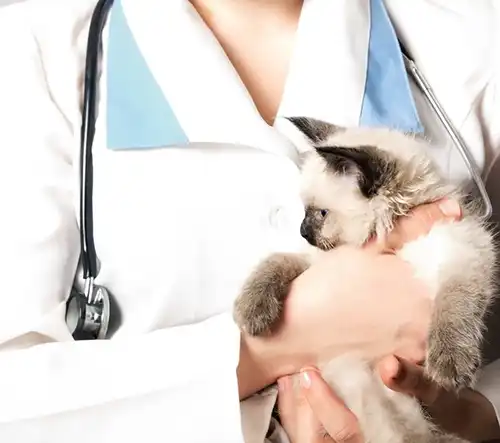


Have you noticed your furry friend moving more slowly or hesitating before jumping onto the couch? At Luv-N-Care Animal Hospital in Orlando, FL, our veterinarians often see pets showing subtle signs of orthopedic problems before they become more serious. Recognizing these early indicators can help you get timely care and maintain your pet’s mobility and comfort.
Orthopedic problems in pets, including dogs and cats, encompass issues like arthritis, ligament injuries, hip dysplasia, and joint inflammation. These conditions can affect mobility, cause pain, and impact overall quality of life. Early detection is key to managing symptoms and preventing progression. In this guide, our Orlando vets share common signs of orthopedic problems and what to watch for in your four-legged companions.
Common Early Signs in Dogs
Dogs may exhibit subtle changes in behavior or movement that indicate joint or orthopedic issues:
- Limping or Favoring a Leg: Even occasional limping can signal discomfort in the joints or muscles.
- Difficulty Rising or Lying Down: Dogs with joint stiffness may struggle to get up from a lying position or may sit awkwardly.
- Reluctance to Jump or Climb Stairs: Hesitation to jump onto furniture or climb stairs is often an early sign of pain.
- Changes in Activity Level: A previously active dog may show less interest in walks, play, or running.
- Swelling or Heat in Joints: Visible swelling or warmth around joints can indicate inflammation or injury.
Active dogs, particularly those that engage in frequent running, jumping, or agility activities, are at higher risk for injuries that may lead to orthopedic problems. Regular monitoring of their movements and behavior can help catch issues before they worsen.
Early Signs in Cats
Cats are masters at hiding pain, but subtle signs may still indicate orthopedic concerns:
- Decreased Jumping Ability: If your feline pal avoids high surfaces or struggles to leap, joint pain may be a factor.
- Changes in Grooming Habits: Cats may stop grooming areas that are painful or difficult to reach.
- Limping or Favoring a Paw: Cats may walk differently or hesitate to put weight on a particular limb.
- Reluctance to Climb or Play: Reduced playfulness or less exploration can signal discomfort.
- Behavioral Changes: Irritability, hiding, or unusual vocalizations can sometimes accompany pain.
Early intervention for cats is particularly important, as untreated joint pain can lead to decreased activity, weight gain, and worsening mobility over time.
Factors That Increase Orthopedic Risk
Certain factors make dogs and cats more prone to joint and orthopedic problems:
- Age: Senior pets are more likely to develop arthritis or degenerative joint disease.
- Breed: Large dog breeds and some cats with genetic predispositions are at higher risk for hip and joint issues.
- Obesity: Extra weight adds stress to joints, increasing the likelihood of injuries and arthritis.
- Activity Level: High-impact play or repetitive motion can contribute to ligament injuries or joint inflammation.
Our Orlando veterinarians recommend regular wellness exams, especially for pets with known risk factors, to monitor joint health and catch orthopedic problems early.
Supporting Your Pet’s Joint Health
Even before problems become severe, there are ways to support your pet’s joints and mobility:
- Regular Exercise: Low-impact activities like swimming or short walks help maintain strength without overloading joints.
- Weight Management: Maintaining a healthy weight reduces stress on joints and decreases arthritis risk.
- Nutritional Support: Joint supplements or diets formulated for bone and joint health can support mobility.
- Environmental Adjustments: Soft bedding, ramps, and non-slip surfaces make movement easier for pets with early stiffness.
Early attention to these lifestyle factors can slow progression and improve quality of life for your furry friend.
The AKC wrote about orthopedic problems in dogs in this piece. Wag also covered the topic here.
Frequently Asked Questions About Orthopedic Problems in Pets
How can I tell if my dog has early arthritis?
Watch for limping, stiffness after rest, reluctance to climb stairs, or decreased activity. A veterinary exam can confirm early arthritis and recommend management strategies.
Can cats develop joint problems too?
Yes, cats can develop arthritis or other joint issues, though they often hide pain. Signs include difficulty jumping, reduced grooming, or changes in behavior.
What should I do if I notice my pet is favoring a leg?
Schedule a visit with your veterinarian. Even mild limping may indicate an injury or early orthopedic problem that needs evaluation.
Are there ways to prevent orthopedic problems in pets?
Maintaining a healthy weight, providing joint supplements or supportive diets, and offering low-impact exercise can reduce risk. Regular veterinary checkups are also important.
How often should I have my senior pet’s joints checked?
Senior pets should have at least annual wellness exams, with attention to joint health. Pets with known issues may require more frequent check-ins.
Visit Our Orlando Vet Clinic for Joint Health Evaluation
At Luv-N-Care Animal Hospital, we help detect orthopedic problems early so your furry pal can stay active and comfortable. Are you looking for a veterinary clinic in Orlando, FL? You can search for a vet near me or call us directly to schedule a joint health checkup for your dog or cat. Our team will guide you through prevention, early treatment, and lifestyle adjustments tailored to your pet’s needs.
This blog is meant to be informational only. Always consult with your veterinarian for the right medical advice, diagnosis, or treatment plan for your pet and follow their guidance.
To discover more about our Longwood, FL pet clinic and the services we offer, drop by our Services page here for an overview. You can also find individual pages for some of our other services, such as our reproductive services, exotic care, and critical care.


!Social Media Icons