
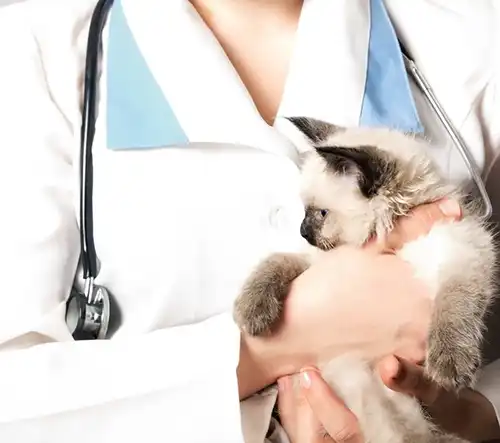


Knowing when your pet requires immediate veterinary attention can save his or her life. At Luv-N-Care Animal Hospital, our Longwood, FL, veterinarians teach pet owners how to recognize emergency warning signs in dogs, cats, and other pets. Pets cannot tell us when something is wrong, so we must pay close attention to their behavior, physical condition, and daily habits. Understanding the distinction between routine health issues and urgent emergencies allows you to act quickly and protect your pet’s well-being.
Even minor changes in behavior can indicate serious health issues. Pets frequently hide their discomfort, and some conditions can worsen quickly if left untreated. By understanding the warning signs that your pet may require emergency care, you can reduce stress for your pet and increase the likelihood of a positive outcome.
Recognizing Common Signs of Emergency
Pets can display a range of symptoms when facing an urgent health issue. While some issues are obvious, others may seem subtle at first. Breathing difficulties are among the most serious symptoms. Rapid panting, wheezing, or labored breathing could indicate respiratory infections, heart problems, or allergic reactions. Pets exhibiting these symptoms should seek veterinary care right away.
Severe vomiting or diarrhea, especially when accompanied by blood, is another warning signal. Persistent gastrointestinal distress can quickly lead to dehydration and electrolyte imbalances. Owners should keep an eye out for lethargy, weakness, or a refusal to eat or drink, as these can indicate that a minor ailment has escalated into a major emergency.
Collapse, extreme weakness, or an inability to stand are all cause for concern. These symptoms could indicate trauma, internal bleeding, heart failure, or other life-threatening conditions. Seizures, especially multiple episodes or prolonged convulsions, require immediate veterinary attention.
Other emergencies can include injuries from accidents, such as falls or being hit by a car. Open wounds, broken bones, or deep cuts can lead to rapid blood loss or infection if not treated promptly. Pets that have ingested toxic substances, including medications, chemicals, or certain plants, also require urgent intervention.
When to Call Your Veterinarian Immediately
Knowing when to pick up the phone is as important as recognizing the symptoms themselves. If your pet is having difficulty breathing, showing blue-tinged gums, or appears unresponsive, call your veterinarian immediately. Persistent vomiting or diarrhea lasting more than 24 hours also warrants prompt attention, as do repeated or prolonged seizures.
Sudden weakness, paralysis, or severe pain are additional red flags. If your pet experiences large open wounds, uncontrolled bleeding, or suspected poisoning, you should contact Luv-N-Care Animal Hospital in Longwood, FL, without delay. Even if you are unsure whether a situation is critical, calling a veterinarian is always safer than waiting. A quick phone consultation can guide you on immediate steps and help your pet get the care they need.
Monitoring Your Pet at Home
While urgent care is sometimes necessary, careful at-home monitoring can help you catch problems before they become emergencies. Keep an eye on behavior changes, including unusual aggression, hiding, excessive vocalizations, or confusion. These subtle signals can indicate pain, illness, or stress.
Appetite and hydration are equally important. Reduced food or water intake may be an early indicator of gastrointestinal issues, kidney problems, or infection. Tracking urination and defecation helps identify changes in frequency, color, or consistency, which can point to urinary tract infections or other health concerns.
Mobility is another key factor. Limping, stiffness, or reluctance to move may signal injury, arthritis flare-ups, or other musculoskeletal issues. Changes in respiratory rate, such as rapid or labored breathing, may be subtle but are crucial early warning signs. Documenting when symptoms begin and how they progress can help your veterinarian provide a faster, more accurate diagnosis.
Emergency Preparedness for Pet Owners
Preparedness ensures your furry pal receives timely care during critical moments. Knowing the location of your veterinarian and after-hours emergency clinics is essential. Keep contact numbers for Luv-N-Care Animal Hospital in Longwood, FL, easily accessible, along with any poison control hotlines.
A well-stocked pet first aid kit is also valuable. Include bandages, antiseptics, tweezers, and records of medications and medical history. Safe transport is important, too. Use a carrier or secure harness to prevent further injury when bringing your pet to the clinic.
Remaining calm during an emergency helps you keep your pet less stressed. Familiarize yourself with common household hazards, such as toxic foods, plants, and chemicals, to prevent accidents. Being proactive can reduce the likelihood of emergencies and improve outcomes if one occurs.
Special Considerations for Cats and Dogs
Cats and dogs may display different signs when in distress. Cats often hide when they are sick or injured, making it easy to miss subtle symptoms. Look for reduced grooming, sudden hiding, changes in appetite, or uncharacteristic aggression. Dogs, on the other hand, may pace, whine, pant excessively, or show reluctance to move.
Recognizing species-specific signs of emergency helps you respond quickly and appropriately. Knowing how your pet typically behaves and spotting deviations can make a significant difference in critical situations.
The Red Cross has a great pet first aid app. You can find it on app stores here for Android and here for Apple users. Or, just text “GETPET” to 90999.
Frequently Asked Questions About Pet Emergencies
What qualifies as a veterinary emergency?
A veterinary emergency is any condition that is life-threatening, causes severe pain, or could lead to serious complications without immediate treatment.
Can I wait to see if my pet improves at home?
It depends on the symptom. Severe difficulty breathing, persistent vomiting, seizures, or trauma should always be treated as emergencies. If you are uncertain, reach out to your veterinarian right away.
What should I do if my pet ingests something toxic?
Contact your veterinarian or a poison control hotline as soon as possible. Provide details about the substance, amount ingested, and timing to get the best response.
How do I recognize dehydration in my pet?
Signs include dry gums, sunken eyes, lethargy, and decreased skin elasticity. Severe dehydration requires immediate veterinary attention.
Are there preventive measures to avoid emergencies?
Regular veterinary checkups, proper nutrition, vaccinations, parasite prevention, and safe environments can reduce the risk of emergencies.
Should I visit my regular vet or a Longwood, FL emergency clinic?
For after-hours emergencies, visit the nearest emergency clinic. During business hours, contact your vet for guidance.
Schedule an Appointment or Emergency Visit
Understanding the warning signs of pet emergencies is essential for every pet owner. At Luv-N-Care Animal Hospital in Longwood, FL, our veterinarians provide urgent care, guidance, and hands-on treatment for pets in critical situations. Recognizing early signs and acting quickly can save your furry friend’s life.
Are you looking for a trusted veterinary clinic in Longwood, FL? Search for a vet near me or call us today to make sure your pet receives the top-notch care they need when it matters most.
This blog is meant to be informational only. Always consult with your veterinarian for the right medical advice, diagnosis, or treatment plan for your pet and follow their guidance.
To learn more about our Longwood, FL pet clinic and the services we offer, drop by our Services page here for an overview. You can also find individual pages for some of our other services, such as our boarding services, our laser therapy, or acupuncture.


!Social Media Icons