
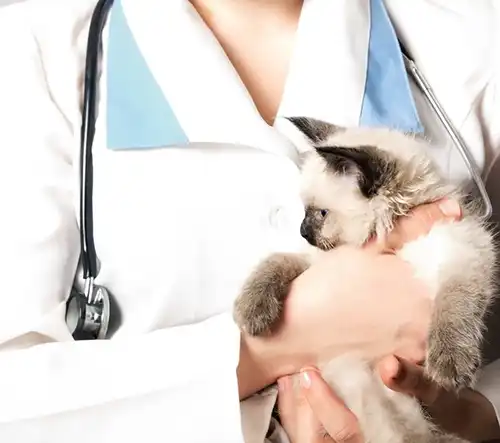


Welcoming a litter of puppies is an exciting time, but it can also be physically demanding for your canine companion. At Luv-N-Care Animal Hospital in Longwood, FL, our veterinarians guide pet owners on supporting post-birth dog mobility to help your pet have a smooth recovery. Maintaining your dog’s strength, joint health, and overall well-being after birth is crucial for her comfort, ability to care for her puppies, and long-term health.
Recovery after dog birth can vary depending on factors such as litter size, breed, age, and any complications during labor. By focusing on mobility, nutrition, and gentle activity, you can help your furry pal regain strength and prevent postpartum injuries or joint strain. Understanding the needs of postpartum dogs also allows you to recognize early warning signs of complications that may require veterinary attention. A Longwood vet weighs in below.
The Importance of Postpartum Mobility
Mobility after giving birth affects more than just your dog’s ability to move comfortably. Proper movement supports:
- Circulation: Gentle activity helps blood flow to muscles and joints, reducing the risk of stiffness and swelling.
- Muscle Recovery: Pregnancy and labor can weaken muscles. Supporting mobility helps restore strength and endurance.
- Joint Health: Hormonal changes during pregnancy can temporarily loosen ligaments. Controlled activity prevents injury.
- Weight Management: Safe activity helps maintain a healthy weight, reducing stress on joints and the spine.
Without proper support, dogs may experience difficulty moving, discomfort, or slower recovery, which can impact their ability to care for their puppies.
Assessing Your Dog’s Post-Birth Condition
Before beginning any activity or mobility support, it is important to assess your dog’s condition. At Luv-N-Care Animal Hospital in Longwood, FL, we recommend a veterinary check-up shortly after birth to evaluate:
- Overall Health: Bloodwork and a physical exam make sure there are no hidden complications from labor or delivery.
- Lactation Status: Healthy milk production and absence of mastitis are crucial for both mother and puppies.
- Joint and Muscle Condition: Any pre-existing orthopedic issues, like hip dysplasia, should be evaluated before increasing activity.
- Pain or Discomfort: Pain may indicate complications such as uterine infection, vaginal tears, or musculoskeletal strain.
Early assessment helps identify areas that require special attention and allows your veterinarian to recommend a safe recovery plan tailored to your dog’s needs.
Supporting Mobility Through Gentle Exercise
After a period of rest following delivery, gradual, low-impact exercise helps restore strength and flexibility. Begin with short, slow walks around your home or yard, ensuring the surface is even and safe. Avoid stairs, slippery floors, or high-impact activities until your dog has fully recovered.
Activities to support mobility include:
- Short Walks: Start with 5–10 minute walks, gradually increasing duration as tolerated.
- Controlled Play: Gentle play, such as short fetch sessions or supervised exploration, keeps joints active without overexertion.
- Range-of-Motion Exercises: Guided limb stretches or slow movements help maintain joint flexibility and prevent stiffness.
- Swimming or Hydrotherapy: For dogs cleared by a veterinarian, water exercise is excellent for low-impact muscle strengthening.
Monitoring your dog closely during activity is key. Signs of discomfort, limping, or reluctance to move indicate you should pause and consult your veterinarian.
Nutrition and Joint Support
Nutrition plays a critical role in postpartum recovery. A balanced diet will provide your dog with the nutrition and energy needed for lactation while supporting joint health.
- High-Quality Protein: Supports muscle recovery and overall health.
- Calcium and Phosphorus: Essential for bone strength, particularly in nursing dogs.
- Omega-3 Fatty Acids: Help reduce inflammation and support joint function.
- Hydration: Ample water intake is crucial for milk production and overall well-being.
Some dogs may benefit from veterinary-recommended joint supplements to support ligaments and cartilage, particularly if there are pre-existing orthopedic concerns. Always consult your veterinarian before introducing supplements.
Environmental Considerations
Creating a safe recovery environment supports mobility and reduces stress on your dog. Here are some things you can do:
- Non-Slip Flooring: Prevents falls and joint strain.
- Accessible Resting Areas: Soft bedding in an area close to her puppies reduces the need for excessive movement.
- Safe Play Space: Avoid obstacles, stairs, or rough terrain during early recovery.
- Temperature Control: Maintain comfortable indoor temperatures to prevent fatigue or discomfort, especially in Florida’s heat.
A calm, safe environment allows your dog to move comfortably while attending to her puppies.
Signs Your Dog Needs Veterinary Attention
Even with proper care, postpartum complications can occur. Contact your veterinarian if you notice:
- Sudden lethargy or unwillingness to move
- Limping, stiffness, or signs of joint pain
- Abnormal vaginal discharge, bleeding, or odor
- Swelling or redness of mammary glands (possible mastitis)
- Difficulty walking or holding weight on limbs
Prompt intervention can prevent complications and support a safe recovery.
The AKC wrote about caring for newborn puppies here. WebMD also covered puppy care here.
Frequently Asked Questions About Post-Birth Dog Mobility
How soon can my dog start moving after giving birth?
Most dogs do better with short, gentle walks a few days after giving birth, but you should always watch for signs of pain and let them get used to the activity.
Is it safe for dogs to swim after giving birth?
Swimming is good for your dog’s muscles and is low-impact, but you should see a vet first, especially if there were problems during delivery.
Can supplements help with joint recovery?
Yes, certain supplements, like glucosamine or omega-3 fatty acids, may support joint recovery. Always consult your veterinarian before starting any supplement regimen.
How long does full recovery take?
Recovery varies by breed, litter size, and health status. Most dogs regain mobility and strength within 4–6 weeks, but some may take longer if there were complications.
What should I do if my dog seems to be in pain while moving?
Contact your veterinarian immediately. Pain may indicate a musculoskeletal injury, infection, or other postpartum complications requiring prompt attention.
Schedule a Veterinary Consultation for Post-Birth Care
Supporting your dog’s mobility after giving birth is essential for her recovery and overall well-being. At Luv-N-Care Animal Hospital in Longwood, FL, our veterinarians provide postpartum care, mobility guidance, and joint support strategies to help your furry pal regain strength safely. Are you looking for a trusted veterinary clinic in Longwood, FL? Search for a vet near me or call us today to schedule a consultation and help your dog recover comfortably while caring for her puppies.
This blog is meant to be informational only. Always consult with your veterinarian for the right medical advice, diagnosis, or treatment plan for your pet and follow their guidance.
To learn more about our Longwood, FL pet clinic and the services we offer, drop by our Services page here for an overview. You can also find individual pages for some of our other services, such as our boarding services, our laser therapy, or acupuncture.


!Social Media Icons