
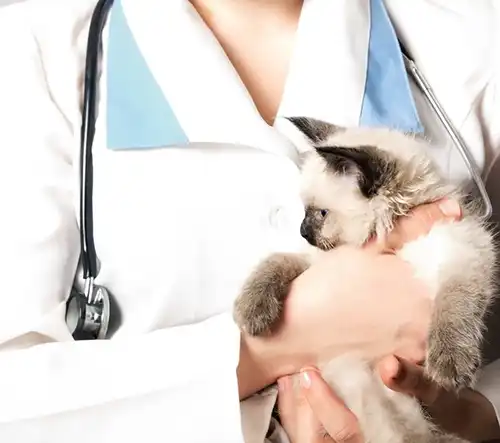


Do you share your home with a scaled or feathered companion? Do you perhaps have another type of exotic pet? At Luv-N-Care Animal Hospital, we provide expert exotic pet care to help your unusual companions thrive. Our Orlando veterinary clinic specializes in the unique health needs of reptiles, birds, and other exotic species, offering guidance, preventive care, and emergency services tailored to each pet’s species and lifestyle.
Exotic pets require specialized attention, due to their unique physiology, diet, and habitat requirements. They need proper care to remain healthy, active, and happy. In this guide, we’ll explore common health needs, preventive measures, and veterinary care options for exotic pets.
Understanding the Health Needs of Exotic Pets
Different types of exotic pets have different health needs. Reptiles, birds, and small mammals have certain needs when it comes to food, their environment, and behavior. These can directly affect their health.
- Reptiles: Many reptiles require precise temperature gradients, UVB lighting, and humidity levels to maintain metabolic and skeletal health. Improper care can lead to conditions like metabolic bone disease or respiratory infections.
- Birds: Birds are prone to nutritional deficiencies, respiratory issues, and issues such as feather plucking. They are particularly susceptible if their diet or environment is inadequate. Social stimulation and enrichment are essential for their mental well-being.
- Guinea pigs, hamsters, and other small mammals frequently require regular dental checkups, proper diet, and safe housing to avoid common ailments such as overgrown teeth or obesity.
Understanding these unique requirements helps you identify signs of illness early and prevent complications.
Preventive Care for Exotic Pets
It’s very important for exotic pets to get regular checkups so that health problems can be found early on:
- Routine Veterinary Exams: Annual or semi-annual exams help assess overall health, weight, diet, and habitat conditions.
- Parasite Control: Reptiles, birds, and small mammals may be prone to parasites that can affect their digestive or respiratory systems.
- Diet and Nutrition Monitoring: Ensuring your exotic pet receives the right balance of vitamins, minerals, and hydration prevents common nutritional diseases.
- Environmental Adjustments: Maintaining proper temperature, lighting, and humidity reduces stress and supports immune function.
- Behavioral Observation: Changes in activity, appetite, or social behavior can indicate early signs of illness that require veterinary attention.
By combining regular exams with proper habitat and diet management, you can significantly improve your exotic pet’s quality of life.
Common Health Issues in Exotic Pets
Exotic pets are susceptible to certain species-specific health conditions. Here are some of the common ones to watch for:
- Reptiles: Metabolic bone disease, respiratory infections, scale rot, and parasitic infestations are common.
- Birds: Nutritional deficiencies, respiratory infections, egg binding, and feather plucking may occur if diet or habitat is inadequate.
- Small Mammals: Dental problems, obesity, gastrointestinal stasis, and respiratory infections are frequent concerns.
Early detection is critical. Our Orlando vets are trained to recognize subtle signs of illness in exotic species that might otherwise be overlooked.
When to Seek Veterinary Care for Exotic Pets
Immediate veterinary attention is necessary if your exotic pet shows any of the following signs:
- Loss of appetite or refusal to eat
- Unusual lethargy or weakness
- Difficulty breathing or labored respiration
- Swelling, lumps, or wounds that do not heal
- Abnormal shedding, feather loss, or skin changes
- Unusual behavior such as hiding, aggression, or repetitive movements
Prompt veterinary evaluation can prevent minor issues from becoming life-threatening. Exotic pets often mask signs of illness, making regular exams and observation essential.
How Our Clinic Supports Exotic Pet Health
At Luv-N-Care Animal Hospital, our Orlando veterinarians offer comprehensive services for exotic pets, including
- Species-Specific Exams: Tailored evaluations for reptiles, birds, and small mammals.
- Diagnostic Testing: Blood work, imaging, and parasite screening to detect hidden health problems.
- Preventive Medicine: Vaccinations (where appropriate), nutritional counseling, and parasite prevention.
- Emergency Care: Immediate treatment for injuries, respiratory distress, or sudden illness.
- Behavioral and Environmental Guidance: Advice on enrichment, housing, and social interaction to improve mental and physical health.
By providing specialized care, we assist you in helping your exotic companion thrive in its environment.
It’s very important to do a lot of research before adopting an exotic pet. Texas A&M University has an article on adopting exotic pets. Click here to read it. The RSPCA also has a piece on adopting exotics, which you can find here.
Frequently Asked Questions About Exotic Pet Care
What types of pets are considered exotic?
Exotic pet rosters typically include reptiles, amphibians, birds, small mammals like guinea pigs and hamsters, and sometimes unusual mammals such as ferrets.
How often should my exotic pet visit the vet?
Most exotic pets benefit from annual or semi-annual checkups. Some species with higher health risks may require more frequent visits.
Can my bird or reptile receive anesthesia safely?
Yes. Our veterinarians use species-appropriate protocols for anesthesia, allowing safe procedures like diagnostic tests or surgery when needed.
How do I know if my exotic pet is sick?
Look for changes in appetite, activity level, respiratory effort, shedding, feather condition, or behavior. Subtle changes can indicate illness, so regular observation is key.
Can exotic pets receive preventive care like dogs and cats?
Absolutely. Preventive care includes nutritional monitoring, parasite control, habitat maintenance, and routine veterinary exams to detect issues early.
Are all exotic pets suitable for beginners?
Some exotic pets, like certain reptiles and birds, require specialized care that may be challenging for first-time owners. Our vets provide guidance to help new owners meet these needs responsibly.
Schedule an Exotic Pet Consultation in Orlando
Caring for exotic pets requires specialized knowledge and attention to detail. At Luv-N-Care Animal Hospital ,our Orlando, FL, veterinarians provide expert guidance, preventive care, and emergency support for reptiles, birds, and small mammals. Are you looking for a trusted veterinary clinic in Orlando? Search for a vet near me or call us today to schedule a consultation and help your exotic companion thrive.
This blog is meant to be informational only. Always consult with your veterinarian for the right medical advice, diagnosis, or treatment plan for your exotic pet and follow their guidance.
To learn more about our Longwood, FL pet clinic and the services we offer, drop by our Services page here for an overview. You can also find individual pages for some of our other services, such as our boarding services, our laser therapy, or acupuncture.


!Social Media Icons