
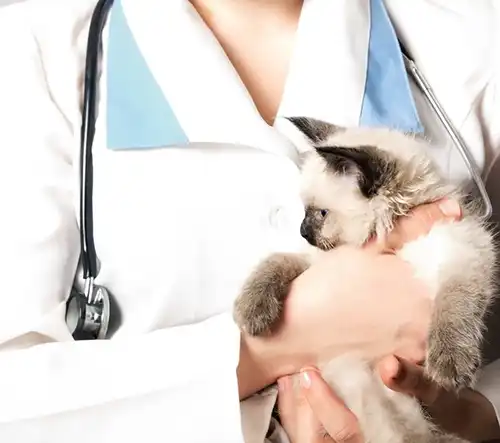


Bringing a new kitten into your home is an exciting and joyous occasion. At Luv-N-Care Animal Hospital in Longwood, FL, our veterinarians love meeting tiny new patients! That meet and greet is important for many reasons, though. Proper care during these early months lays the groundwork for a long, healthy life. Kitten care entails more than just feeding and playing; it also includes vaccinations, socialization, parasite prevention, and monitoring for illness symptoms. By emphasizing comprehensive care from the start, you can help your new feline companion mature into a healthy, happy adult cat.
Kittens are naturally curious and full of energy, but they are also fragile and vulnerable. During this critical stage, proper nutrition, veterinary checkups, and a safe environment are essential. At Luv-N-Care Animal Hospital, we guide kitten owners through every step of care, providing expert advice tailored to your feline friend’s needs in Longwood, FL.
Nutrition and Feeding for Healthy Growth
Nutrition is one of the most important aspects of kitten care. Proper feeding supports growth, immune function, and overall health. Kittens require a diet specifically formulated for their developmental stage:
- High-Quality Protein: Essential for muscle development and overall growth.
- Fat and Energy: Kittens burn a lot of energy and require higher fat content than adult cats.
- Vitamins and Minerals: Calcium, phosphorus, and other nutrients are vital for bone and dental development.
It’s important to feed kittens multiple small meals throughout the day. Most kittens under six months old benefit from 3–4 meals daily. Always provide fresh water and monitor their appetite and weight regularly.
Vaccinations and Preventive Health
Vaccinations protect kittens from potentially serious diseases. Your veterinarian will create a vaccination schedule tailored to your kitten’s age and lifestyle. Core vaccines typically include protection against:
- Feline herpesvirus
- Calicivirus
- Panleukopenia
Additional vaccines may be recommended depending on your kitten’s risk factors, such as lifestyle or exposure to other cats. Preventive health also includes regular deworming, flea prevention, and monitoring for signs of parasites or illness.
Socialization and Behavior
Early socialization is critical for kittens to develop into well-adjusted adult cats. Positive exposure to people, gentle handling, and safe interactions with other pets help your kitten feel comfortable in various environments. Playtime is not just enjoyable—it also encourages healthy physical and mental development.
Introduce toys that stimulate natural hunting and pouncing instincts. Rotate toys to keep your kitten engaged and challenge their curiosity. Gentle training, such as litter box use and scratching post introduction, helps establish lifelong good habits.
Safe Home Environment
Creating a safe home environment prevents accidents and injuries while promoting independence. Some considerations include:
- Hazard-Free Zones: Remove small objects, toxic plants, and chemicals that your kitten could ingest.
- Secure Windows and Balconies: Kittens are adventurous and may try to explore high areas.
- Safe Play Areas: Provide scratching posts, climbing structures, and cozy hiding spots.
- Temperature and Comfort: Provide a warm, draft-free space for rest, as kittens cannot regulate their body temperature effectively.
A safe environment reduces stress and allows your kitten to explore and grow confidently.
Monitoring Growth and Development
Regular monitoring of weight, growth, and behavior helps identify potential health concerns early. At Luv-N-Care Animal Hospital, we recommend routine veterinary checkups to track development milestones, including:
- Weight gain and body condition
- Dental development and oral health
- Activity level and behavior changes
- Signs of illness, such as vomiting, diarrhea, or lethargy
Prompt attention to abnormalities and timely intervention both support lifelong health.
Parasite Prevention
Kittens are especially susceptible to parasites, including fleas, ticks, and intestinal worms. Preventive measures include:
- Routine deworming schedules recommended by your veterinarian
- Monthly flea and tick prevention appropriate for your kitten’s age and weight
- Environmental control, such as washing bedding and vacuuming regularly
Parasite prevention protects both your kitten and your household, preventing discomfort and disease.
Spaying and Neutering
Spaying or neutering your kitten at the appropriate age has numerous health and behavioral benefits. These procedures prevent unwanted litters, reduce the risk of certain cancers, and may minimize unwanted behaviors such as spraying or roaming. Your veterinarian can recommend the optimal timing based on your kitten’s development.
Recognizing Signs of Illness
Even with proper care, kittens can become ill. Early detection is key. Watch for:
- Loss of appetite or sudden weight changes
- Lethargy or reluctance to play
- Sneezing, coughing, or nasal discharge
- Vomiting or diarrhea
- Changes in litter box habits
If you notice any of these signs, contact Luv-N-Care Animal Hospital in Longwood, FL, immediately for evaluation.
You can read more helpful information about kitten care at the Royal Society For The Prevention Of Cruelty To Animals website here. PetMD has a great article covering kitten development and their major growth milestones, which you can read here.
Frequently Asked Questions About Kitten Care
When should my kitten have their first veterinary visit?
Kittens should have a veterinary exam at 6–8 weeks of age, including vaccinations, parasite screening, and a general health check.
How often should I feed my kitten?
Kittens under six months old should be fed 3–4 small meals daily. After six months, you can transition to 2–3 meals per day.
Can I give my kitten human food?
Human food is generally not recommended, as it can cause nutritional imbalances or digestive upset. Always feed high-quality kitten food.
When should I spay or neuter my kitten?
Spaying or neutering is usually recommended around 4–6 months of age, but your veterinarian can tailor timing based on breed, size, and health status.
How can I socialize my kitten safely?
Introduce your kitten gradually to new people, pets, and environments. Use positive reinforcement, gentle handling, and safe play to build confidence.
Schedule a Veterinary Consultation for Your Kitten
Proper care during your kitten’s early months sets the stage for a long, healthy life. At Luv-N-Care Animal Hospital in Longwood, FL, our veterinarians provide comprehensive kitten care, including wellness exams, vaccinations, nutrition guidance, and behavioral advice.
Are you looking for a trusted veterinary clinic in Longwood, FL? Search for a vet near me or call us today to schedule your kitten’s first veterinary appointment and give your feline companion a strong start.
This blog is meant to be informational only. Always consult with your veterinarian for the right medical advice, diagnosis, or treatment plan for your kitten and follow their guidance.
To learn more about our Longwood, FL pet clinic and the services we offer, drop by our Services page here for an overview. You can also find individual pages for some of our other services, such as our boarding services, our laser therapy, or acupuncture.


!Social Media Icons